Peony Blooms: A Tapestry of Symbolism and Color Meanings
Posted on 21/06/2025
Peony Blooms: A Tapestry of Symbolism and Color Meanings
The peony bloom stands as one of the most beloved and captivating flowers in gardens and floral arrangements around the globe. With their lush, full petals and rich history, peony flowers enchant gardeners, flower enthusiasts, and anyone seeking to infuse their lives with natural beauty and cultural symbolism. From ancient traditions to contemporary uses, the tapestry of peony symbolism and color meanings weaves through time, touching on themes of romance, prosperity, honor, and even mystery. In this comprehensive article, we will explore peony bloom symbolism, delve into the significance of their vivid colors, and reveal why these flamboyant blossoms have secured a cherished spot in hearts and gardens worldwide.
- History and Origins of Peonies
- The Symbolic Power of Peony Blooms
- Peony Colors and Their Deep Meanings
- Peony Blooms in Culture, Art, and Mythology
- Growing Peonies: Cultivars and Care Tips
- Final Thoughts: Peonies as Meaningful Blooms for All Occasions
History and Origins of Peonies
Peonies trace their roots back over two thousand years. Native to Asia, Europe, and North America, these perennial plants have graced royal gardens, wild meadows, and apothecary shelves alike. The earliest recorded appreciation for peony blooms began in China, where the peony flower is held in high esteem as the "King of Flowers". In fact, the peony was designated the national flower of China for centuries, admired for its beauty, medicinal properties, and symbolism.
Peonies arrived in Europe during the Middle Ages, quickly gaining popularity in monastery gardens. By the 19th century, a thriving peony industry took hold in France and England, producing new cultivars and hybrid varieties that still delight modern gardeners. With their migration to the United States, peonies settled into cottage gardens and became emblematic of early American landscapes.
Timeline of Peony Blooms
- Ancient China: Peonies grown for medicinal use and decoration in imperial gardens.
- Classical Greece: Associated with healing and named after Paeon, physician to the gods.
- Medieval Europe: Peonies cultivated for both beauty and healing qualities.
- 19th Century: Explosive hybridization brings forth diverse forms and colors.
- Modern Era: Peonies flourish worldwide, crossing cultures and climates.
The Symbolic Power of Peony Blooms
Across centuries and continents, peony symbolism has flourished. In many cultures, a peony bloom is imbued with meanings that go far beyond its visual splendor. Let's explore some core themes represented by peonies:
- Romance and Love: Peonies are prominent in weddings worldwide, symbolizing affection, happy marriage, and lasting romance.
- In China: The word for peony (mudan) is homophonous with words for prosperity and romance.
- In the West: Peony bouquets often express bashful love or a wish for a happy relationship.
- Prosperity and Good Fortune: The peony flower is linked with riches, honor, and the hope of a bright future.
- Honor and Respect: In Japan, peonies represent honor, bravery, and good character, especially when depicted alongside lions in classic artwork.
- Healing and Protection: Ancient traditions used peony roots and petals medicinally, associating the plant with health and healing energies.
- Beauty and Bashfulness: Peonies can convey both open admiration and gentle, shy affection, depending on bloom type and context.
Peony bloom meanings are wonderfully layered, allowing the flower to carry a host of intentions, whether as gifts, in celebrations, or as personal tokens of good luck.
Peony Colors and Their Deep Meanings
One of the most enchanting qualities of the peony flower is its spectacular range of colors. Each peony color meaning emerges from a blend of cultural associations, historic traditions, and emotional responses to the hues themselves. Here, we break down the most popular shades and their traditional interpretations.
Pink Peonies: The Icon of Romance and Feminine Charm
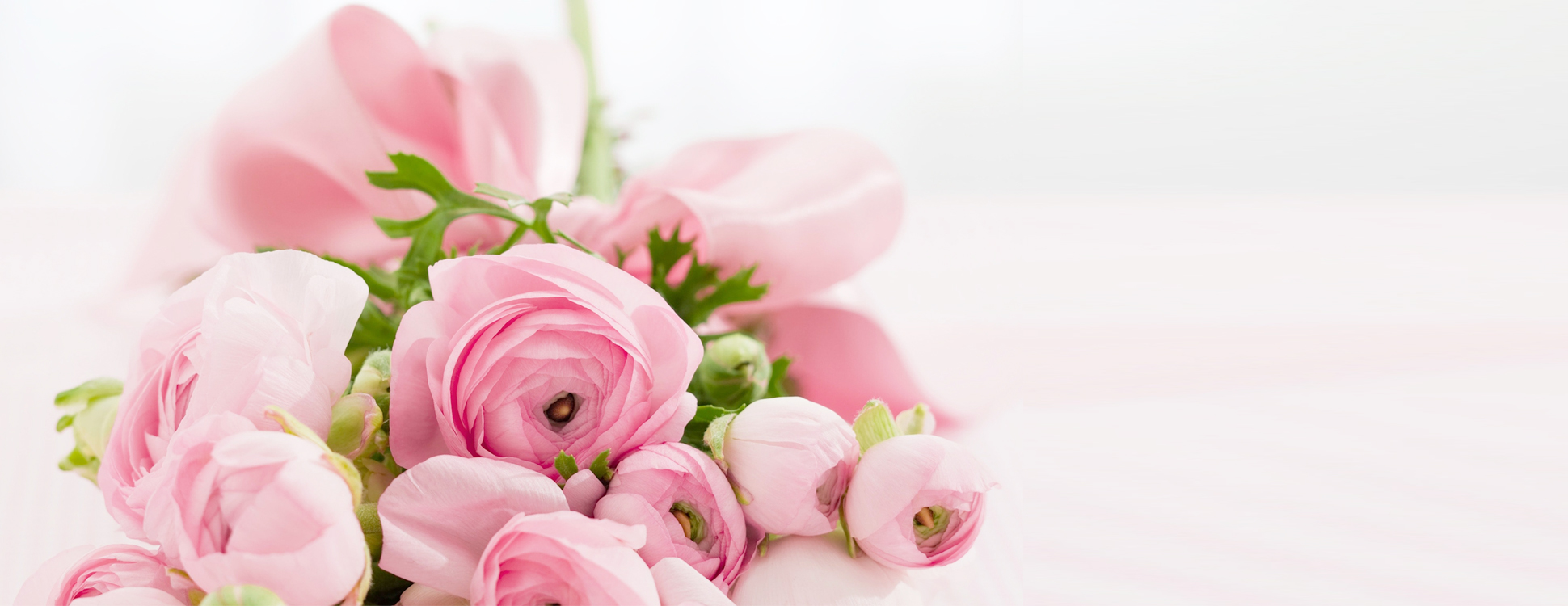
Pink peony blooms are perhaps the most recognized peonies in modern culture, especially prized in bridal bouquets and romantic gifts. They symbolize:
- Romantic Love and Happy Marriage: Making them a favored wedding flower and anniversary gift.
- Femininity and Beauty: The soft, gentle pink hues evoke grace and admiration.
- Bashfulness: An airy pink peony can signal shyness or the sweet hope of new love.
_In China, pink peonies are featured in paintings and poetry as symbols of both spring and youthful beauty._
White Peonies: Purity, Remembrance, and New Beginnings
White peonies bring a sense of calm, clarity, and elegance. Their meanings include:
- Purity: Ideal for bridal bouquets, white peonies represent fresh starts and true intentions.
- Remembrance: Used in memorials and thoughtful arrangements for honoring loved ones.
- Apology: In Victorian flower language, a white peony was sometimes given to seek forgiveness.
Red Peonies: Honor, Passion, and Boldness
Few flowers carry the vibrancy of a red peony bloom. In both Eastern and Western traditions, red peonies evoke:
- Courage and Respect: Especially in Chinese culture, where red is auspicious.
- Passionate Love: A fiery declaration of deep emotions.
- Honor and Prosperity: Red peonies are central to wishes for good fortune and success.
Yellow and Gold Peonies: Wealth, Renewal, and Joy
Rare and highly prized, yellow peonies stand out for their warmth and vibrancy. Their symbolic tapestry covers:
- Wealth and Opulence: Due to their rarity and association with gold.
- New Beginnings: Evoking optimism, rejuvenation, and hope for the future.
- Happiness: Yellow peony blooms make joyous gifts for graduations and birthdays.
Purple, Coral, and Multicolored Peonies: Mystery, Creativity, and Transformation
Some peony cultivars produce deep purple, coral, or even variegated petals. These unique shades speak to:
- Mystery and Imagination: Purple peonies are linked to the enigmatic and magical.
- Transformation: Coral peonies, with petals that change hue as they age, symbolize life's continual unfolding.
- Individuality: Multicolored or unusual varieties often celebrate uniqueness and creative spirit.
Peony Blooms in Culture, Art, and Mythology
Throughout the centuries, peony blooms have been enshrined in folklore, religious ceremonies, and works of art. Their layered petals and lush form have inspired countless poets, painters, and craftspeople.
Peonies in Chinese Culture
The peony bloom holds court as a revered symbol in Chinese traditions. Often referred to as the "Flower of Riches and Honor" (???), peonies appear in everything from imperial robes to temple carvings. During the Tang Dynasty, peonies reached a zenith of popularity, with elaborate peony festivals and peony-themed gardens springing up across the empire.
_Peonies continue to serve as New Year's emblems in China, signifying wishes for prosperity and good luck in the year ahead._
Peonies in Japanese Art and Tradition
In Japan, peonies symbolize a blend of bravery, good fortune, and gentle beauty. Artistic motifs often pair peonies with lions to represent guardianship and protection, a theme called shishi-botan. Japanese tattoos frequently feature peonies as part of their rich visual language, blending their lushness with courage.
Peonies in Western Art and Literature
Across Europe and North America, peonies flourish in art, literature, and garden design. In Victorian England, these blooms became staples in cottage gardens and a favorite subject for still-life painters. Poets like Emily Dickinson and Edith Wharton referenced peonies as symbols of ephemeral beauty and yearning.
Legends and Folklore
- Greek Mythology: The peony derives its name from Paeon, the physician to the gods, saved from the wrath of Asclepius by being turned into the peony flower.
- Magical Beliefs: Medieval herbalists believed that peony seeds could ward off evil spirits and nightmares.
- Royalty and Festivals: In both China and Japan, peonies adorned palace grounds and were featured in elaborate ceremonies signaling status and celebration.
Growing Peonies: Cultivars and Care Tips
The gift of a peony bloom is not only in its symbolism, but also in the ease with which it can be cultivated in many home gardens. These resilient perennials can thrive for decades with proper care, rewarding patient gardeners with spectacular blooms each spring and early summer.
Popular Peony Types
- Herbaceous Peonies: Classic garden peonies that die back in winter and regrow each spring.
- Tree Peonies: Woody shrubs with larger blooms, often blooming earlier than herbaceous types.
- Intersectional or Itoh Peonies: Hybrids combining the best qualities of both herbaceous and tree peonies.
Whether you desire the bold look of a tree peony or the lush abundance of herbaceous blooms, there's a peony variety for every garden.
Tips for Healthy Peony Blooms:
- Planting Time: The best time to plant peonies is in fall, allowing roots to establish before winter.
- Location: Choose a sunny spot with well-drained soil--peonies love at least six hours of sunlight daily.
- Spacing: Allow for plenty of airflow by leaving about three feet between plants.
- Support: Large double blooms may need staking or a peony ring to prevent drooping.
- Minimal Disturbance: Peonies dislike being moved--once established, leave them undisturbed for best results.
- Patience: It may take a couple of years after planting before peonies reach full-flowering potential.
A thriving peony patch is a living tapestry--its blooms change from week to week, telling a new story each season.
Final Thoughts: Peonies as Meaningful Blooms for All Occasions
The peony bloom stands unmatched in its emotional resonance and visual impact. Its colors--whether tender pinks, pure whites, fiery reds, sunny yellows, or mysterious purples--invite us to find meaning in nature's artistry. From ancient festivals to today's celebrations, peonies grace gardens, homes, and ceremonies with unmatched beauty and depth.
Whether you are gifting a peony flower to express your deepest affections, planting peonies as a multigenerational heirloom, or simply seeking inspiration from their storied symbolism, the world of peonies offers endless discovery. Each petal tells a story; each bloom, a new hope or dream. As you invite the tapestry of peony blooms into your life, may you be enchanted by their layered meanings and timeless elegance.
Embrace the peony's rich tapestry--let peony blooms fill your life and garden with meaning, color, and joy!